

Event Production Services and Trends to Watch in 2026
Creating powerful experiences—built for outcomes, measured for ROI
By Kirk Saboda, Senior Director, Corporate Sales and Enablement, ON Services, December 12, 2025
Why 2026 Is a Pivotal Year for Event Production
The live events industry is entering a transformative era. After years of rapid adaptation—virtual pivots, hybrid experimentation, and tech acceleration—2026 marks a point where innovation and expectation converge.
Audiences are no longer impressed by spectacle alone; they demand purpose-driven experiences that deliver measurable outcomes. Planners, marketers, and brand leaders are responding by rethinking every layer of event design—from scenic and staging to engagement and analytics.
What’s driving this shift?
• Technology adoption at scale: AI is moving from novelty to infrastructure, powering everything from multilingual captioning to predictive engagement modeling.
• Visual storytelling evolution: LED-first scenic design is replacing static sets, enabling dynamic content and sponsor visibility without inflating footprint.
• Personalization as a baseline: Attendees expect curated agendas, smart networking, and content tailored to their goals.
• Hybrid as a standard: Streaming and remote participation are no longer optional—they’re essential for reach and inclusivity.
• ROI accountability: Events are now tied directly to pipeline, commerce, and measurable business impact.
• Sustainability transparency: Eco-conscious practices and carbon reporting dashboards are influencing vendor selection.
• Regionalization: Micro-events and distributed portfolios are outperforming mega-conferences in engagement and cost efficiency.
• Content lifecycle extension: Events are becoming content engines, with short-form clips and on-demand libraries driving year-round value.
For planners and brands, this means every production decision matters—not just for aesthetics, but for strategy.
The question isn’t “How do we impress?” It’s “How do we create experiences that connect, convert, and continue delivering value long after the lights go down?”
Live events in 2026
Live events in 2026 will deliver bigger business results—driven by AI-assisted workflows, LED-first staging, hands-on engagement, and transparent sustainability.
Attendees return when their objectives—learning, networking, discovery, and commerce—are met and elevated by smart production, not spectacle for spectacle’s sake.
These innovations translate into measurable ROI through stronger engagement, extended content value, and direct revenue integration.
Four Defining Trends for 2026
1. AI Moves from Novelty to Infrastructure
AI is now standard for captioning, translation, agenda recommendations, camera automation, and post-show analytics—freeing crews to focus on creative and technical quality. Expect broader use of AI-driven tools to predict engagement, score leads, and recommend sessions, with human oversight ensuring quality.
2. LED-First Scenic Becomes the Production Baseline
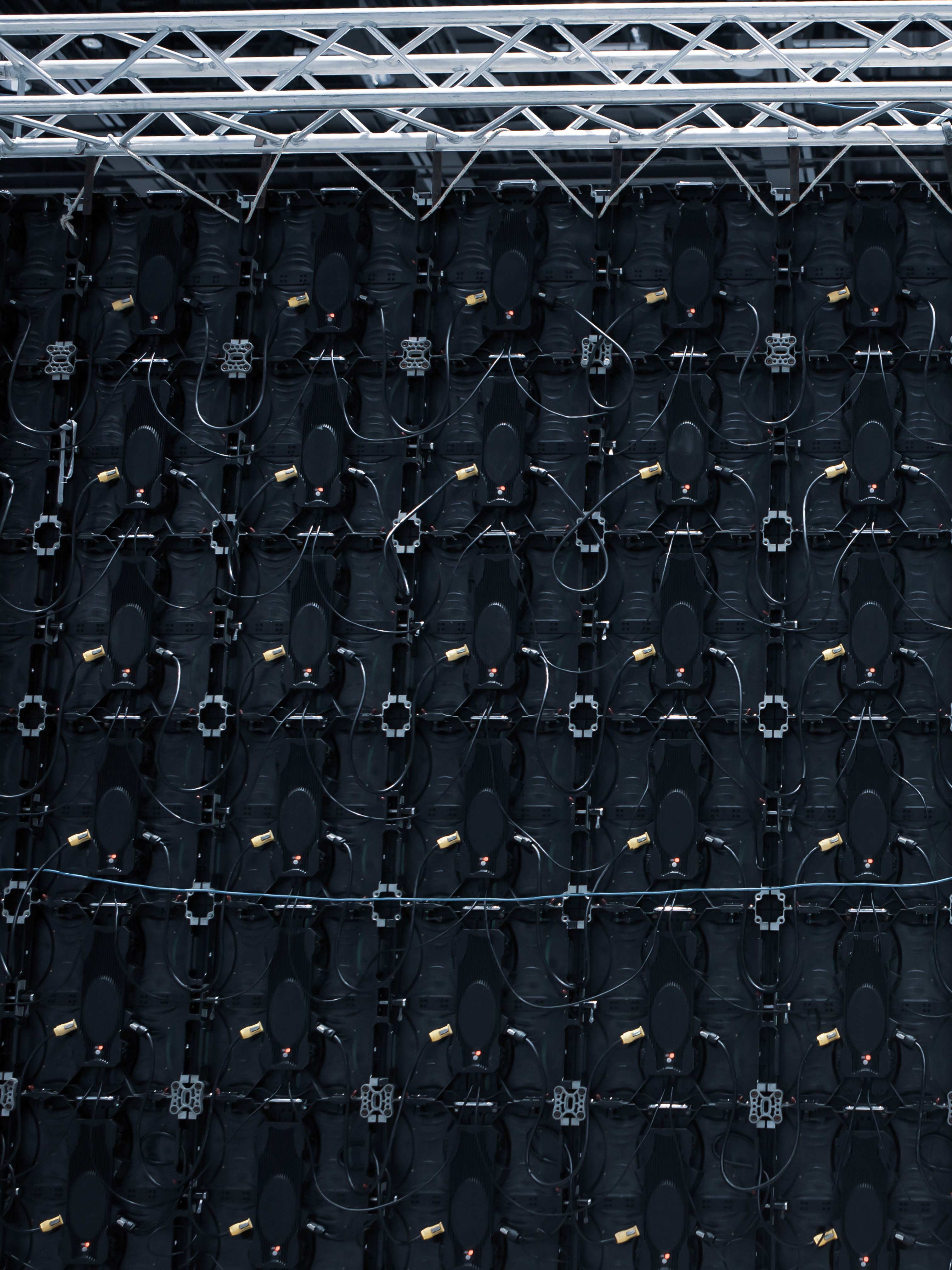
High-brightness LED walls, kinetic displays, transparent panels, and LED floors are replacing many traditional projection builds and static sets—supporting panoramic visual narratives and sponsor value without inflating footprint.
3. Hands-On Engagement Beats High-Gloss Theatrics
Attendees define “great experiences” as practical, hands-on interactions—discovering products, learning something new, and building relationships—rather than spectacle alone. Designing for guided discovery and quality networking creates the “X factor” that amplifies outcomes and retention.
4. Sustainability That’s Transparent and Measurable
Eco-conscious practices are now baseline: reusable scenic kits, modular staging, carbon reporting dashboards, and local sourcing. Attendees and procurement teams expect sustainability to be proven, not promised.
Industry Signals: What the Market Is Emphasizing
1. AI Adoption Accelerates
From venue sourcing and predictive attendance modeling to real-time captioning and post-event analytics, AI is powering personalization and efficiency across the event lifecycle.
2. LED Scenic Dominates
Curved walls, LED floors, and transparent panels are redefining stagecraft—offering flexibility, sustainability, and visual impact that traditional projection can’t match.
3. Personalization Matters
Attendees expect curated agendas, smart networking, and content tailored to their goals. Event apps now act as personal concierges, recommending sessions and exhibitors.
4. Hybrid Remains Essential
Streaming and remote participation are standard, expanding reach and inclusivity while providing data-rich insights for future planning.
5. Commerce Integration Grows
Events are becoming revenue engines, with lead capture tech, real-time analytics, and sponsor activations tied directly to pipeline and purchase intent.
6. Sustainability Becomes Visible
Reusable scenic kits, carbon dashboards, and local sourcing are influencing vendor selection. Certifications and measurable impact are now part of RFP scoring.
7. Content Reuse Expands
Events are content engines: session recordings repurposed into social clips, podcasts, and training modules, supported by AI-assisted editing for same-day highlights.
AI, Production & 2026 Planning
Q1: Where does AI deliver the fastest win for a 2026 show?
Start with accessibility and efficiency: real-time captioning/translation and automated camera switching.
Q2: Do attendees want bigger spectacle or better outcomes?
Outcomes. They come to learn, network, and discover solutions; hands-on interaction defines memorable experiences.
Q3: How do we prove ROI beyond headcount?
Tie production to qualified engagements, content reuse, and pipeline lift.

Looking Ahead: Your 2026 Event Strategy Starts Now
The trends are clear—AI-driven personalization, LED-first scenic, and measurable sustainability are no longer optional; they’re the new standard. The question isn’t if you’ll adapt, but how fast.
Ready to design smarter, more impactful experiences? Connect with our team to explore solutions that put these trends to work for your next event.
 Kirk Saboda, Senior Director, Corporate Sales and Enablement, ON Services
Kirk Saboda has more than 20 years of audio visual and technology management to his credit. Kirk’s hands-on management style leads to knowledgeable and effective audio-visual solutions. With ON Services, Kirk leads the corporate staging sales division.
Get in Touch with Kirk:
Main: (770) 457-0966 | Direct: (845) 500-5101
ksaboda@onservices.com